

 Nikhil Solanki
Building Connected IoT Applications with Blynk: Cloud Control Made Accessible
The promise of IoT has always been simple: connect physical devices to the internet so they can be monitored and controlled from anywhere. Delivering on that promise, however, has historically required significant backend infrastructure — cloud servers, databases, APIs, mobile app development, and security implementation all had to be built and maintained. Platforms like Blynk have changed this equation dramatically, making it possible for developers, students, and engineers to build fully functional connected applications in a fraction of the time previously required.
What Blynk Does and Why It Matters
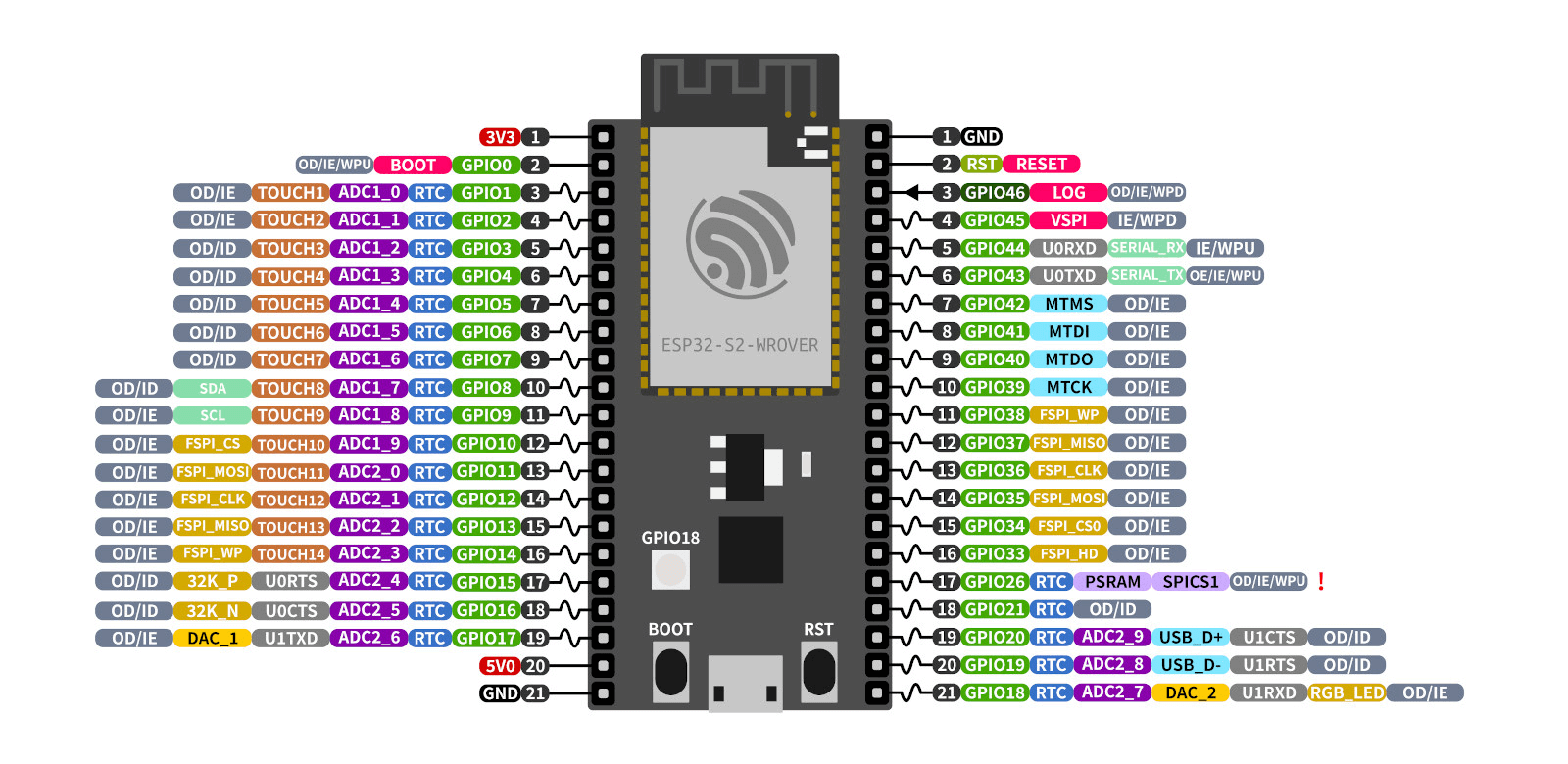
Blynk is a cloud IoT platform designed to bridge microcontrollers — particularly ESP8266 and ESP32 boards — with mobile and web dashboards without requiring developers to build their own backend infrastructure. Instead of setting up servers, writing API endpoints, and developing mobile apps from scratch, developers connect their hardware to Blynk’s cloud, define data streams, and use a drag-and-drop dashboard builder to create interfaces that work on both iOS and Android instantly.
This dramatically lowers the barrier for building production-quality IoT applications. A smart home control system, an industrial equipment monitor, or a remote irrigation controller that would previously require weeks of backend development can be prototyped and deployed in days using Blynk. For startups and independent developers, this time compression is commercially significant — faster prototypes mean faster validation and faster paths to paying customers.
Blynk’s architecture also handles the complexity of device connectivity management — including reconnection logic, data buffering during connectivity gaps, and secure communication — that developers would otherwise need to implement themselves. These are problems that are easy to underestimate and expensive to solve when encountered in production.
For developers who want to build hands-on competency with ESP-based IoT systems controlled through Blynk, this course on ESP IoT control and monitoring with Blynk covers the complete workflow from hardware setup through cloud configuration to mobile dashboard deployment — practical skills that apply directly to real connected product development.
Designing Dashboards That Deliver Real Value
A connected IoT application is only as useful as its interface. Raw sensor data streamed to a database is not inherently actionable — the value comes from presenting that data in a way that enables fast, informed decisions. Blynk’s dashboard system allows developers to build interfaces with gauges, charts, buttons, sliders, LED indicators, and alert notifications without writing a single line of UI code.
Effective IoT dashboard design requires thinking carefully about which data matters, at what granularity, and in what context. A temperature reading displayed as a single number is less informative than a chart showing trends over the past 24 hours alongside threshold indicators that signal when intervention is needed. These design decisions — what to show, how to show it, and when to alert — are as important as the underlying hardware and connectivity implementation.
From Blynk Prototypes to Scalable IoT Products
Blynk’s free tier works well for personal projects and early prototypes. As applications scale to more devices or require more sophisticated data processing, developers typically graduate to paid tiers or begin building custom backend infrastructure that gives them greater control over data storage, processing, and integration with enterprise systems.
Understanding the full IoT stack — from embedded firmware through cloud connectivity to user-facing interfaces — prepares developers for this progression. The ESP Firebase connection course complements Blynk skills by teaching direct cloud database integration, giving developers flexibility to choose the right backend approach for each project’s requirements.
Career Opportunities in IoT Application Development
IoT application developers are in consistent demand across smart home, industrial automation, healthcare monitoring, and agricultural technology sectors. Students often do internships to grow at a fast pace within IoT product teams, learning how connected hardware moves from engineering prototype through manufacturing validation to mass deployment — a journey that requires skills spanning embedded systems, cloud architecture, mobile development, and data engineering.
For learners looking to build the comprehensive technical foundation that IoT careers require, EasyShiksha’s full course catalog offers structured learning paths across embedded systems, cloud platforms, and application development — providing the breadth of skills that makes IoT developers genuinely effective across the full product development lifecycle.