

 Nikhil Solanki
Teaching Kids to Code: Why Early Technology Education Shapes Future Careers
The most competitive professionals entering the tech workforce in ten years are children learning to code today. Early technology education has moved from a niche enrichment activity to a mainstream priority as parents, educators, and policymakers recognize that digital literacy and computational thinking are foundational skills for the 21st century — not just for future software engineers, but for anyone who will work in a world increasingly shaped by technology.
Why Starting Early Makes a Difference
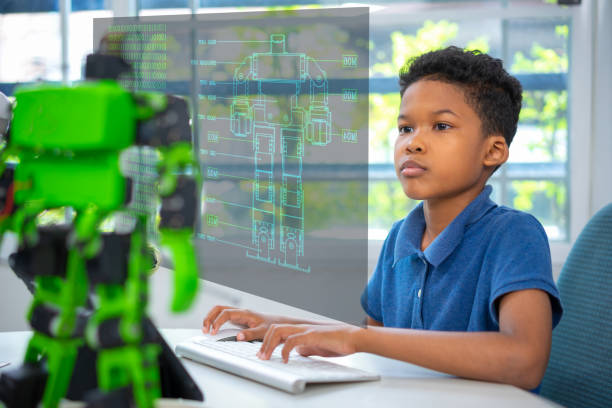
Learning programming as a child carries advantages that adult learners rarely replicate. Children absorb new logical frameworks without the cognitive resistance that comes from years of established thinking patterns. They approach problem-solving with creativity and playfulness — qualities that make them surprisingly effective at debugging, algorithm design, and iterative thinking. The skills developed through early coding education — sequencing, decomposition, pattern recognition, and abstraction — are directly transferable to mathematics, science, writing, and virtually every other academic discipline.
Beyond cognitive benefits, early exposure to technology education builds familiarity and confidence with digital tools that compounds over time. Children who understand how software works approach technology as creators rather than passive consumers — a fundamentally different relationship with the digital world that shapes how they engage with every tool they encounter throughout their education and career.
For parents and educators looking to provide structured, age-appropriate technology learning resources, EasyShiksha’s kids learning platform offers curriculum designed specifically for younger learners — building computational thinking and digital skills in an engaging format that respects how children actually learn best.
What Kids Should Learn and When
Technology education for children works best when it progresses in stages matched to cognitive development. For younger children (ages 5–8), visual block-based programming environments like Scratch introduce sequencing and logic without the syntax barrier of text-based code. Children build animations, simple games, and interactive stories — creative outputs that provide immediate, motivating feedback.
As children develop (ages 9–12), introducing text-based languages — typically Python for its readable syntax — builds on block-based foundations while adding the precision and power of real programming. This transition is a significant milestone that, when handled well, opens the door to building genuinely useful programs rather than just structured exercises.
Alongside coding, foundational digital literacy skills — safe internet use, file management, understanding of how networks and devices work, and critical evaluation of online information — form an equally important part of technology education. These skills protect children online and prepare them for the digital environments they will navigate throughout their lives.
Structured worksheets and learning activities that reinforce these concepts outside screen time help consolidate learning in different modalities. EasyShiksha’s kids learning worksheets provide printable and digital exercises that complement screen-based coding education — giving parents and teachers flexible resources to reinforce technology concepts in varied learning contexts.
The Role of Parents in Technology Education
Parents don’t need to be software engineers to support their children’s technology education. What matters most is creating an environment where curiosity about how things work is encouraged, where making mistakes is treated as part of learning, and where digital tools are engaged with intentionally rather than passively.
Understanding the landscape of technology education — what platforms exist, what skills to prioritize at different ages, and how to evaluate educational software — helps parents make informed decisions about where to invest their children’s learning time. EasyShiksha’s parenting resources offer guidance specifically designed for parents navigating technology education decisions — helping families build a thoughtful approach to raising digitally literate, technology-confident children.
From Childhood Learning to Career Readiness
The children who receive structured technology education today enter higher education and the workforce with meaningful advantages. They are comfortable with computational tools, experienced in systematic problem-solving, and familiar with the iterative process of building, testing, and improving — skills that translate directly into performance in technical roles.
Students who build on childhood coding foundations often do internships to grow at a fast pace during their university years, leveraging years of accumulated experience to contribute meaningfully from day one. The investment parents and educators make in early technology education pays compound returns throughout a child’s academic and professional life — making it one of the highest-value educational priorities available to families today.